Egg Hunting: How to Tell the Age of an Egg


Every now and then our free range chickens will decide to lay eggs in places other than their nesting boxes, and the only way to find their new nest is to either have a full-blown egg hunt or to do a little spying on the hens. 

Recently our egg production has taken a drop since the days are getting shorter, one of our hens is broody, and a few others are molting. But when I only gathered one egg over three days with three hen still laying, I had a feeling that the ladies had new hiding place. My egg hunt turned up empty, but the spying did the trick when a hen emerged from the garden singing the egg song. Sure enough, deep in the bushes, I found the mother load!

Not only a few, but nine eggs all in a neat little pile!


I was glad to have the eggs, but now on to the real problem. How long had the eggs been there? Were these laid over the last few days or had it been building up over weeks? Fortunately there is a neat little trick to figure out the general age of the eggs and if they are still good.

The Water Test
This is a pretty simple test. Simply submerge the egg in about 6 inches of water in a clear container.
1 week old or less- the egg will lay on the bottom on its side
2 weeks old- the egg will lay on the bottom with the fat end beginning to stick up
3 weeks old- the egg will rest on the bottom standing with the fat end up
4 weeks old- the egg will float on the top of the water


Thankfully for us, it turned out that all of our eggs were less than a week old. Any egg that floats is a bad egg and definitely should not be eaten, but beyond that eating the eggs is up to your own judgment. Personally, one week outside is enough for me. Anything beyond that goes to the compost, but I know plenty of other people who will eat any egg that isn't floating.


If your hens are being mischievous, I hope you have a successful egg hunt!

Eve's Curse: A Biblical Look at Miscarriage and Infertility

Earlier this year, my husband and I were expecting our first child and went through the pain of having a miscarriage at nine weeks. For more on the first few months of dealing with miscarriage, see

this post

. After having a miscarriage or struggling with infertility, there are so many questions that surface and resurface  while dealing with the emotional, physical, and mental battles that go along with these issues.

Questions like, "Why has this happened to me?"

"Why do bad things happen to good people?"

And for Christians, the questions go much deeper, “How could a God who loves me take away something that I love so much?"

"Is God punishing me?"

"How could God’s plan include me losing a child, or facing a childless future?"

And then a particular one that I struggled with, "I know that God wants me to surrender everything to Him, that He has given and so He can take away, but what else does He want me to give up?" 

When you google verses about infertility or miscarriage, you will get pages of flowery promises that all things will work together for good, and you will have a child as promised, and your descendents will number more than the stars in the sky. If these verses are meant to comfort the hurting woman, they are failing miserably because it only makes us question more why that isn't coming true in our own lives. As always when a situation is very personal and we are emotionally invested, we are only seeing one side of the story. It is time to look at the Bible for answers, yes, but not just the parts that we want to be true for us, but the entire redemptive story as a whole.

Here is my disclaimer- I am not a Bible scholar. I did not go to seminary. I do not know what the Greek word means. I have a Bible, and I read it, asking God for discernment to see what perspective it has to offer us because it is God's Word, and it is always true and relevant. I'm in the same place you are. That said, let's dive in!

Why do bad things happen to good people?

To begin, let's admit that our definition of good and bad is relative. We look at the evil in the world and anything better than that is considered good. Unfortunately for us, the only perspective that matters is God's. He looks at His own perfection and anything that does not match it in every way is sinful. "For all have sinned and fallen short of the glory of God." (Rom. 3:23) "All have turned away, they have together become worthless; there is no one who does good, not even one." (Rom. 3:12). I will not be so audacious to claim that I am a “good” person. I am a sinful person who has been forgiven by God’s grace. SInce I did nothing to deserve this grace, I can cannot demand anything of God based on my “goodness”.

How could God's plan include me losing a child or facing a childless future?

Setting the Scene from the Beginning

With that in mind, let's reset our perspectives to focus not on ourselves, but on God, whose thoughts are higher than our thoughts, and whose ways are higher than our ways (Is. 55:9). To get the right idea about any issue that we face, we have to have a correct view of God, His character, and His intentions for us as human beings. God created Adam and Eve to live in perfect harmony with Him in the Garden of Eden. The Garden was a home for them that was free of sin, death, jealousy, pain, pride, illness, and tears. It was a place of perfect communion with the Creator of the universe and his creation. THIS was the plan- THIS is what God wanted to share with us forever. 

However, humans have free will, and Adam and Eve sinned by breaking the one rule that God had given them, not to eat the fruit from the tree of the knowledge of good and evil. By eating the fruit, they choose a path different from what God had planned and sin entered the picture. All sin comes with consequences, because God is just (I would have Him no other way!). The specific consequence for Eve’s sin demonstrates, in my opinion, one of the greatest struggles that she will have to face as a woman.

Genesis 3:16, "To the woman he [God] said, "I will make your pains in childbearing very severe; with painful labor you will give birth to children. Your desire will be for your husband, and he will rule over you."

The second part of the curse is that her desire will be for her husband (a discussion for another day). But the first part of the curse is that she will have pain in childbirth. Growing up I always believed this to be a physical pain in the actual birthing process, but I would like to assert that this curse is a much more comprehensive pain that every woman experiences. This pain could take the form of frustration over not being able to have children, the grief of losing a child before it can be born, the burden that drives some women to take the life of their children prematurely in the womb, or the weight of responsibility that comes with actually giving birth to another human being that is solely in your care. As all mothers know, the pain does not end with birth but continues as they grow- pain when they hurt, pain when they choose not to follow God, pain when they reject you. The pain of childbirth is only one form of this curse. 

The one thing that is unique to women, the ability to procreate, comes with an amazing bond between mother and child, a love that transcends any other kind of love, but now it comes at a price. This love for your child, and this desire for them, brings pain no matter what the circumstances that surround the conception, pregnancy, birth, and beyond. We have been cursed as a result of our own sin, and this is our burden to bear as women. God did not do this to us, and this was NOT His plan. Satan gave us a temptation, and we traded God's plan for our own. Romans 6:23a says, "For the wages of sin is death." And God even warned Adam and Eve that if they ate from the tree they would surely die. We have all chosen sin, and we have been dying ever since. We chose death.

How can a God who loves me deprive me of something that would make me so happy?

I came across a verse months after I thought I had fully processed and “accepted” the miscarriage that said:

Exodus 23 24-26  Do not bow down before their gods or worship them or follow their practices. You must demolish them and break their sacred stones to pieces. Worship the Lord your God, and his blessing will be on your food and water. I will take away sickness from among you, and none will miscarry or be barren in your land. I will give you a full life span.

I just "happened" to run across these verses in my daily Bible reading. I stopped in my tracks, reread it, and reread it again. And then I found a similar passage in Deuteronomy 7:14, "You will be blessed more than any other people; none of your men or women will be childless, nor will any of your livestock be without young." What does it mean? I am a Christian, a follower of His word, so am I taking this promise out of context to want to grab hold of it and show it to God expecting to get my way? 

First of all, yes I was taking it out of context, God is speaking to the people of Israel at a particular time in history which does not apply to me on either count (I'm not an Israelite and I was not alive thousands of years ago). And secondly, as I began to look closer at the verses I noticed that the condition for this promise was that the people follow God exclusively and not follow idols.  I immediately consoled myself that I was not worshiping any idol besides God! 

However, further thought made me realize that this was not the case. I am not worshiping just one idol, but many! Hobbies, work, family, time consuming things like social media and other time-wasters, but the most consistent and recent idol of all...having a baby. It consumes more of my thought than Christ does on any given day.  So to address the question of whether a God who loves me would deprive me of something I love, the Bible makes it clear that God is a jealous God with one requirement, that He be first (Exo. 4:14). Always. Of course He should not give me the very idol that I am so fervently seeking to replace Him with, and nor should He! That wouldn't be love, but enabling. I have straightening of priorities to do if I am to be the mother that Christ would desire me to be. I am not there yet! I do not want a God who feeds my addictions or spoils me into an inability to focus on His will.

Is God punishing me?

Even in light of this thought, no, God is not punishing you. Punishment is given out of anger, and consequences are given out of love, in the same way that a parent trains a child in the way that they should go. I do not think that my miscarriage was a direct result of the idols in my life, but it does prove a point. You see, our perspective has been a selfish one all along, looking to our own interests instead of God's. And because of that, God can use these broken times in our lives to rebuild us into followers that know and understand Him more clearly. He can fix our eyes on Him (Heb. 12:2).

Whose fault is it?

One of my first thoughts after having a miscarriage was that this was not, and could not be my fault. I had done everything right, I had followed the letter of the law when it came to "what  to expect when you’re expecting" and every other piece of literature I could get my hands on. I was certainly not at fault, and couldn't handle the idea of any guilt on top of the grief I was already processing. However, looking at the story of Adam and Eve, it is pretty clear that all consequences in life that are painful are a result of sin. It may not be a direct result, for example, doing something to intentionally harm the baby, but it is indirectly all a consequence of sin- because before sin, none of this pain existed. It is our fault. God is not punishing us, but it is a consequence of our actions as a human race.

Biblical Examples

There are many situations in the Old Testament where infertility and miscarriage are a direct result of a sin that someone committed.

Here are just a few of those examples:

2 Samuel 6- Michal, the wife of King David, despises and rebukes him for dancing before the Lord, and is never able to have children as a result

Genesis 20- Abraham lies to King Abimilech that his wife Sarah is his sister, and when the King takes Sarah as his wife, every woman in his household is struck with infertility until Sarah is returned to Abraham

But if we continue to look at Biblical examples of infertility, we see many women who struggled with infertility, some for decades, and then were able to give birth, and almost always to extraordinary characters who play major roles in history.

A few examples include:

Genesis 15-21- Sarah, the wife of Abraham and mother of Isaac, the patriarchs of God chosen nation of Israel, was infertile until she was 90 years old

Genesis 25- Rebecca, Isaac's wife and the next generation of patriarchs, was infertile for 20 years, but eventually gave birth to twins, Jacob and Esau

Genesis 30- Rachel, the wife of Jacob and third generation of the patriarchs also struggles with infertility while watching Jacob's other wife bear son after son, she eventually gives birth to Joseph and Benjamin

Judges 13-14- Samson's mother, unnamed in the Bible, struggles with infertility for years before being visited by an angel and given instructions for raising her son, the strongest man who will ever live

I Samuel 1- Hannah, the mother of Samuel, dedicated her son to the Lord after years of infertility, and he became a prophet for the people of Israel

Luke 1- Elizabeth gave birth to John the Baptist in her old age even though she was barren for many years

As you can see, there are many Biblical examples of women of faith, who follow God wholeheartedly, and still struggle with infertility and miscarriage. However, it is amazing to me to look at the ending of these particular stories, because they always result in being a part of a much larger and more fulfilling plan. Hear this clearly: having a child in the end was not what made their lives more fulfilling, it was the process of faith and releasing their hopes and dreams to the Lord for Him to do His will with, no matter what the end result. You see, tragedy and triumph go together. When we overcome the pain with the love of Christ, when we work through the grief knowing that God will lead us through the valley of the shadow of death to the other side (Ps. 23:4), there is a promise for those who are faithful. This promise is not to make our dreams come true as we so often want to believe, it is not for us to get our way, and it is not for us to be happy. 

God’s Work of Reconciliation

In light of the scripture, we wonder then, is here no hope for Eve? Has her sin cast her and our sin cast us out of ever having the possibility of having children? Are we doomed to this cursed fate forever? Just as in every story, there is a turning point! A point at which all odds seem bent towards destruction, but that is not the end. Jesus is our turning point. Even after we chose sin, God loved us so much that He did not leave us to die in our sins (1 John 1:9). Instead He made a way for us to be restored to Him. 

Throughout history, death and life are closely knit together and are interrelated. Jesus’ death and life overthrew the former system of the power of sin and death. There is a new theme in scripture, and that is that Christ is making all things new (Rev. 21:5). He restores our soul (Ps. 23:3). He is seeking and saving what was lost (Luke 19:10). He is in the act of reconciling all things to Himself (Col. 1:20). This restorative, reconciliatory work will not be complete until we are united with Him in an earthly death, which results in a new, eternal life for those who follow Him and have called on His name (John 1:12). However, we do see the beginnings of this reconciliation taking place on earth through the demonstration of His grace. Children are born, lives are saved, women do experience the joy of conceiving and giving birth, and every time that happens, it is an extension of God’s grace to us, an undeserving people. You see, we have had the wrong perspective all along- it is not God who keeps us from having children, it is God who gives us the opportunity.

This is where our promises from God come in! The promise is that God loves us unconditionally (Rom. 8:38-39), He will never leave or forsake us (Deut. 31:6), He has a plan for us that has hope for our future (Jer. 29:11), He will give us peace through the journey (Phil. 4:7), and He will restore our souls (Ps. 23:3). Once we are able to look at the situation with faith, not a faith that believes that our will will come to pass, but a faith that trusts that God’s will for us is greater for His Kingdom (not ours) then we will receive His peace and have the opportunity to joyfully take part in what He is doing.  In this life we are not promised health and wealth, but instead we are promised hardship and sacrifice (John 16:33). God is not punishing you, it is a result of our sin. But at the same time, He will use even the consequences of sin to work together for the good of those who love Him (Rom. 8:28), even when that good may not take the form we want it to.

My Confession

When people would find out about the miscarriage, they would usually say “I’m sorry that happened.” In the back of my mind I would think, but there is nothing to be sorry for. You didn't do anything. I didn't do anything. It just happened. But I have a different approach now. I do have things to be sorry for, attitudes that I need to confess. I need to be careful that I approach this issue with God’s perspective and a correct view of Him. I encourage you to take down the blame, doubt, guilt, shame, pride, and grief that you are working through for a moment so that you can be real and authentic with God. It is time for me to confess. 

I am sorry that I have put other things before you, God. I confess that I have put my own will above Your will at the risk of Your kingdom. I am sorry that I have questioned your love, that I have been tempted to give blame to you when the true sinner is myself, and for not recognizing that the ultimate blame is on Satan for his temptation in the garden. Satan is so tricky to deceive us into blaming You for his handiwork! I confess that I have wanted my great faith and my own dreams to be an answer and solution to the problem, instead of having faith in You and Your will, that You are working all things together for good. I lift up the cursed women around the world and ask that You would restore our souls. We humble ourselves and and submit to Your will. Forgive us. Give us patience. Give us strength. Give us a renewed mind and spirit. But above all else, give us a desire for You first and foremost. For You are making all things new!




Vegetable Starting Guide: Seeds or Plants?


So you're ready to begin a vegetable garden or try a new plant for the first time, but you aren't sure how to begin. Start seed indoors, direct sow, or buy transplants?

After years of experimenting with seeds and transplants, I have decided to make a handy chart to keep track of the vegetables that start out better with seeds started indoors, seeds directly sown in the ground, or bought from the store in a pot. Here is a little bit more on each of the options.

Direct Sow
I used to be completely intimidated by starting seeds directly in the ground. I'm way to much of a control freak to believe that sticking a seed in some dirt outside and walking away could ever produce anything edible, but after lots of trusting and trying, it has become one of the easiest (and cheapest) ways that I have found to begin most vegetables. Without direct sowing in the garden, you will greatly limit the number of different vegetable types that you can grow. It is much easier than you think, and at $1 per pack for most seed, the price is unbeatable for gardening on any larger scale.

All varieties of beans are a great seed to start with if direct sowing intimidates you. These seeds will come up fast and grow strong every time!


Seeds Started Indoors
Some plants need the extra time to grow before the weather warms up enough to go outside, especially in areas of the country with short growing seasons. Starting seeds indoors is a great way to give those plants a jump start. Simply plant your seeds in six packs or peat pots with potting soil. Some gardeners use a soil-less seed starting mix, but I find that a good potting soil almost always does the trick. Keep the soil moist, (the best way is by watering from the bottom) and keep them under LOTS of light. You don't want your seedlings to get long and lanky stretching for sunlight. Put them out in the sun as soon as possible.

Transplants
Some plants simply take too long to grow from seed to maturity in a single planting season, especially in colder zones where the growing season is short. There are also some plants that can be grown from seed, but with the amount of care and attention they need, it is just not worth it. In those cases, you will want to buy plants from your local nursery. When choosing plants, buy the smallest ones possible to keep your budget under control. Don't worry, they will be big soon! Look for plants that are low and bushy rather than tall and lanky.

Other
Other vegetables have special beginnings, such as potatoes, onions, garlic, and asparagus. They may be started from bulbs, seed potatoes, slips, leftovers from the kitchen, mature root stock, or sets that you buy from the store or order from a catalog. Do some research on these individual plants to find the best way to get the growing.


Sweet potatoes are grown from slips started from a seed potato.

And now for the handy chart! I hope this helps you as you expand your gardening horizons and try new plants. Some plants may have links that you can click on for more information on starting that particular plant.


Download: click here

Natural Chicken Dewormer


Earlier this summer we lost a laying hen to gape worm. By the time we figured out what was wrong with her based on the symptoms, it was to late to treat her. 

About Gape Worm- How to Recognize the Signs
Gape worm is a worm that most chickens carry at any given time. Occasionally it will take over a weaker chicken and can cause death, as it sis in the case of our hen. Gape worms lodge themselves in the throat of the chicken and cause them to walk around with gaping mouths as they gasp for air. (hence the name) The gaping mouth of the chicken is the first sign, following by making hoarse rasping noises, stopping egg laying, lethargy, stretching out the neck and shaking the head back and forth in an attempt to dislodge the worms, and finally heaving the body forward to literally attempt a self-Heimlich maneuver. The chicken eventually dies of asphyxiation as the worms multiply and block the breathing passage.

You can see Meg "panting" in this picture with a gaping mouth, the first sign of gape worms lodged in the throat.

What to do about it
After doing more research we realized that other hens in or flock were showing early symptoms of gape worm as well, and we needed to act to keep from losing more hens. As it turns out, the gape worm can be easily treated with antibiotics. We didn't want to use antibiotics unless absolutely necessary for two reasons: 1) you can't eat any of the eggs for two weeks while they have the antibiotics in their system and 2) the whole reason we have our own chickens is to avoid unwanted and unnatural substances such as antibiotics and growth hormones in our food. On the other hand, we didn't want to lose our whole flock to the worms. We started looking for a natural remedy to use to deworm the chickens. After reading about a few different natural dewormers for chickens online, we decided to put our own concoction to the test. The recipe is simple and uses ingredients that you probably already have around the kitchen. 
Our Natural Chicken Dewormer Recipe
We made a single serving of grits (I know this is a southern thing, but you can substitute oatmeal as well. This part is just to give them a base of something they like to eat so they will gobble it down). Then we mixed in a teaspoon of Cayenne pepper and a tablespoon of minced garlic. We fed this mix to our chickens once a week until the threat had passed, and we continue to give it to them about once a month to avoid problems in the future. Not only did all of the symptoms disappear immediately, but they have shown no signs of infection since!


 I thought at first that the chickens wouldn't eat the awful smelling concoction, but I set the bowl out and ran back in to grab my phone to take a picture. By the time I got back outside, they had pecked it clean! Cayenne pepper and garlic goes in, and gape worms come out :)


Natural Chicken Dewormer Recipe
1 serving oatmeal or grits
1 tsp. cayenne pepper
1 tbsp. minced garlic

Serve once weekly or as needed.

So simple! I hope that you will be able to combat gape worm (and types of other worms) in your flock naturally!

DIY Ribbon Headband Holder Tutorial (No Sew!)

I recently pinned a DIY Ribbon Headband Holder that someone had made and was selling on etsy for $20. I don't think so! Immediately I knew I had to make some to give as gifts to nieces, etc. It didn't take long for me to create my own version, and it was so simple that I can't wait to share it with you so that you can make one for yourself :)

Materials:

3" of 1/4" wide grosgrain ribbon 

4" of 1" wide grosgrain ribbon

5 pieces of 9" long 1" wide grosgrain ribbon

24" of 2" wide grosgrain ribbon

hot glue gun

metal key ring

*choose any color combinations of ribbons that you want!

Tutorial:

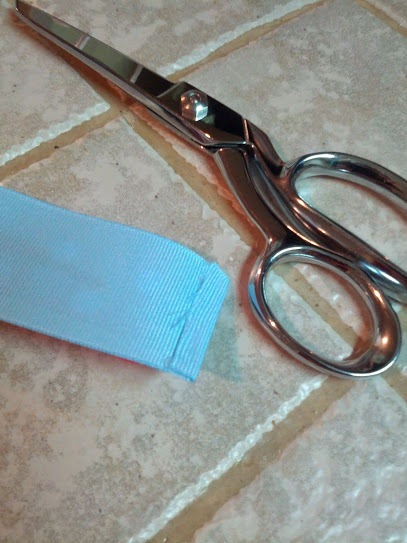
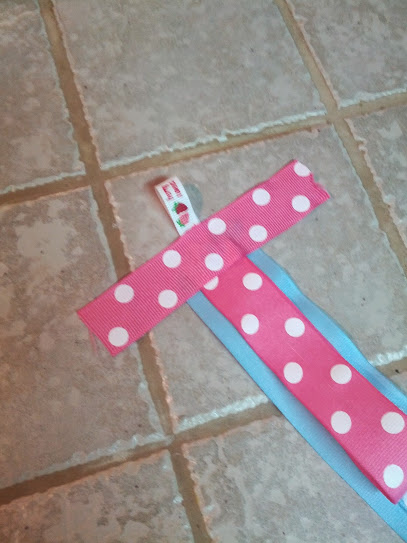
Begin by ironing your ribbon as grosgrain ribbon creases easily. Next, hot glue  the edges of each of the five pieces of ribbon to create loops.

Put hot glue along the top edge of the first loop and glue it centered on the base 2" wide ribbon. Next, flip the loop upside down and put a line of hot glue along 2/3 of the length of the ribbon and stick it down to the base ribbon.

Put a line of glue along the top of the next loop and glue it onto the base ribbon so that the edge of the loop just fits underneath the end of the loop before it. Add the line of glue 2/3 of the length to secure it to the base ribbon, and continue this process until all five loops have been added along the base ribbon.

Once all the loops are attached, put a thick line of glue to the top of each loop and press down firmly with your finger to connect the base of the loop above it.

Glue the 1/4" ribbon into a loop and then glue it to the top front of the ribbon.

Glue the 4" piece of 1" wide ribbon lengthwise across the top

of the base ribbon, but slightly above the top edge.

Flip the base ribbon over and glue each side of the ribbon down to enclose the top for no raveling.

To finish the bottom edge, just hot glue the edge under to make a short seam on the back of the ribbon.

And now all you have to do is pull off all of those annoying glue strings from the hot glue gun, put your metal key ring through the loop, and hang up your creation for organized headbands!

Happy creating and gifting!


Rabbit Lunch Wraps


Ready for another great rabbit recipe? This one is quick, easy, and one of my husband's all-time favorites.


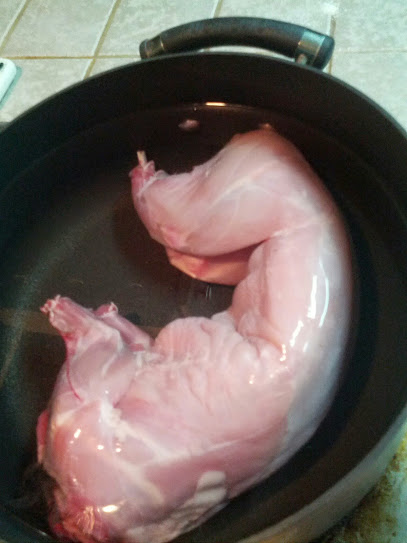
In order to cook your rabbit, boil it in water on the stove for 20 minutes just like you would a chicken.

After that, the meat will easily tear off the bone so that you can cut it into small pieces to mix in with the other ingredients.

Next, mix the meat, rice, beans, corn, cheese, and tomatoes together, and you're done!


This makes a perfect meal for a quick lunch that is healthy and filling.


Not only is it super simple, but it also makes a lot and freezes well. I usually freeze about half for us to have another time.


Rabbit Lunch Wraps Recipe
1 rabbit
2 cups brown rice, cooked
4, 15oz cans black beans, rinsed and strained
2, 15 oz cans pinto beans, rinsed and strained
10 oz can corn, strained
10 oz can diced tomatoes with green chiles, strained
flour tortillas
1 lb. shredded pepper jack cheese
Optional: picante sauce and sour cream

Cook the rice as directed. Boil the rabbit in water over the stove for 20 minutes. Debone the rabbit and cut the meat into 1/2 inch pieces. Mix all rice, rabbit, cheese, and canned goods together in a large bowl. Serve heated on flour tortillas with picante sauce and sour cream.

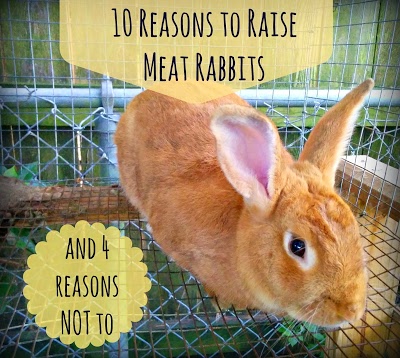
10 Reasons to Raise Meat Rabbits (and 4 Reasons Not To)

10 Reasons to Raise Meat Rabbits

1. Rabbits are quiet

They literally make no noise. If you live in the suburbans with temperamental neighbors who are bothered by the slightest disturbance, then rabbits are the right choice for you. I'm pretty sure we had our rabbits for six months before our neighbors even knew. When the chickens are squawking in the morning or singing the egg song, you will be grateful that the rabbits are mute!

2. Rabbits are delicious

For more on this, check out the post on the

Verdict on Eating Rabbit

. This is a lean white meat that can replace chicken in most recipes or even ground beef in much the same way that ground turkey can. It can also be used to make delicious sausage! whichever way you enjoy it, this is a great alternative to grocery story meat with unknown beginnings.

3. They multiply like...well...rabbits

The gestation period for rabbits is only 30 days, and each litter can easily have 8-10 kits. The kits can be weaned completely after 4 weeks and the mother is ready for mating again. At that rate of reproduction, a breeding pair of rabbits can produce 60 rabbits in a year. At 3 lbs. of meat per rabbit, you have just produced up to 180lbs. of meat for your family without large livestock!

4. They don't take up much space

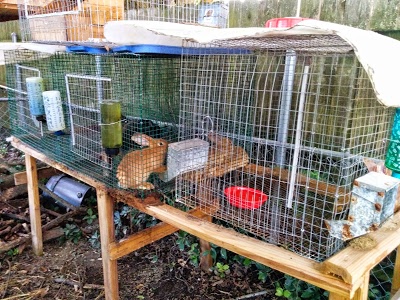
While raising cows, chickens, or goats takes up a lot of land, our entire rabbit operation takes up only 45 square feet. We have a cage for the male, one for the female with the breastfeeding kits, and another cage for the weaned kits that are growing into processing age. Most of the meat for our family is raised in just a corner of the backyard!

5. They create garden fertilizer

We do compost most of our kitchen and yard waste, but rabbits can create amazing garden fertilizer a lot faster than the compost pile can. Rabbit manure is one of the best natural fertilizers for the garden because it is one of the only animal manures that do not need to mature before applying to the dirt. Cow and most other animal manures need to sit at least six months before going into the garden to avoid burning the plants, but rabbit manure can be shoveled straight from under the cage and into the vegetable garden. And they produce plenty of it! Your days of buying bags of Miracle Grow Soil are over!

6. They are a healthy source of very lean meat

Not only is rabbit meat delicious, but it also is very healthy for you. Rabbit meat has less fat, calories, and cholesterol than beef, pork, turkey, and chicken, and it has the highest percentage of protein. According to many studies, it is considered the most nutritious meat out there! So, yeah...delicious and very good for you :)

7. They are inexpensive to feed

While chickens can forage for up to 15% of their diet, rabbits can forage for up to 90% of their diet, which significantly cuts the cost of food. We feed our rabbits all of the leftover greens from our garden, such as beet, radish, turnip, and carrot tops, potato vines, and leaves of greens that have been chewed up by bugs. We also give them grass, weeds, tree leaves, etc. They will eat anything green and in many cases prefer it to the bagged feed. Our average price of feed per pound of meat produced is right around $2.50. That is much cheaper than any meat you can find in the grocery store, and you can rest assured knowing that it is free of antibiotics and growth hormones.

8. Easy to process

My husband does all of the meat processing. He has frequently processed chickens and rabbits. On average it takes him about 45 minutes to process a chicken (with my help to defeather), while a rabbit takes him around 15 minutes to process from live rabbit to meat in a freezer ziplock bag. No feathers to deal with, the skin peels right off, and you also don;t have to withhold food from the rabbits before processing.

9. They grow quickly

Rabbits can be processed at only 8 weeks of age. Since we feed our rabbits so many greens, we usually wait until 12 weeks to process them, but it still doesn't take long to raise a litter from newborn to dinner. It also keeps the turnover quick so that you can have another litter right behind it waiting for production.

10. Rabbits make great pets.

You obviously won't be eating your breeders, and they will become your pets. (And if you can't bring yourself to eat the babies, then you will end up with LOTS of pets). Rabbits are really sweet and cuddly, and they make great pets. Our breeders love to be petted and held, wait for treats, and even free range in the backyard occasionally.

4 Reasons Not to Raise Meat Rabbits

1. Rabbits are cute!

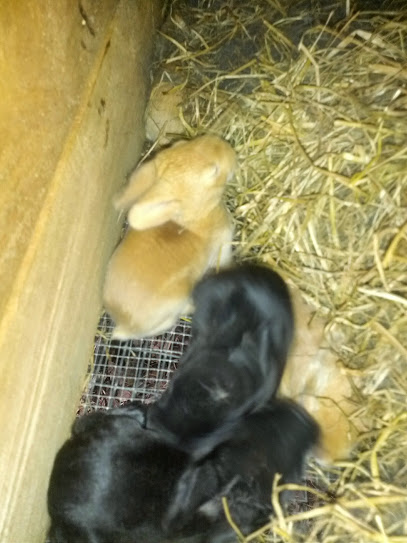
The hardest part about raising rabbits for meat is that they are so adorable and sweet! I have to make an effort not to get attached to the babies. One of the best parts of raising rabbits is getting to see the entire life cycle, from hairless newborn and to first opening their eyes to learning to eat on their own and growing from hamster phase to full-size rabbit. It is enjoyable to be a part of, which makes it that much more difficult when it is time for them to become dinner. It makes it easier when you think that there is always another batch on the way to start the process over again!

2. Rabbits have a lot of bones.

Lots of little bones. The legs are good, and have a lot of meat on them without too many bones, but once you get to the back, you really have to be careful. Be especially cautious if you are feeding the meat to children!

3. They need daily attention.

They drink a lot of water and food, especially when you have an entire litter sharing a cage. Sometimes we even have to refill the food and water twice a day when they are close to processing age. For this reason, you can't take a trip without having someone to check on them regularly.

4. They have claws.

They have back claws that will draw blood if you try to pick them up. They are fine being petted, but once you lift their four feet off the ground, the hind legs start kicking and they only have one motive- to be put down again. For this reason, they are difficult to move or hold unless you handle them a lot when they are young. You may start off doing well with the socialization, but truth be told, soon they are multiplying too quickly to handle them all well enough to avoid getting scratched up every now and then.

Want a great rabbit recipe? Click on one of the recipes below!

Summer Fruit Smoothie


In Louisiana, August is almost unbearable. The air is so thick and heavy with humidity that walking feels like swimming, and gills may be necessary to breathe. That's why we eat so many summer fruit smoothies! I'm not exaggerating, we stock up on berries in the freezer all spring because we go through pounds of them making smoothies when the summer heat kicks in. Need this summer lift? It's super easy!


For this refreshing snack, all you need is ice, orange juice, frozen berries, and yogurt.


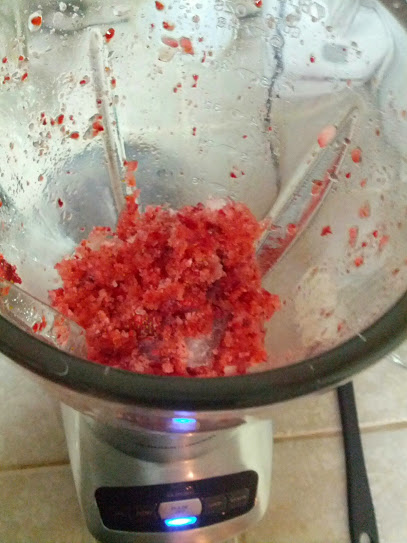
Chop up the ice and strawberries first so that you don't end up with any big chucks in your smoothie.


Add in the rest of the ingredients and and blend until smooth!


This smoothie makes the perfect refreshment after a hot summer day, or even as a light meal. It is the perfect blend of sweet and citrus, cool and thick, and berrilicious! I'm addicted!


Summer Fruit Smoothie Recipe
5 ice cubes
1/2 cup vanilla yogurt
1/2 cup orange juice
1 cup frozen strawberries, blueberries, blackberries, raspberries, mulberries, or a mix!
(my favorite is 1/2 cup each of blackberries and strawberries)

Blend the ice with strawberries (if you choose to use strawberries) using the ice cube mode. Once the pieces are smaller, add in the other berries, orange juice, and yogurt and blend together until smooth!

Rabbit Spaghetti Casserole Recipe (with a Cheesy Mushroom Sauce!)


Now that we are raising meat rabbits, I am seeing how many of my favorite recipes I can tweak to use rabbit instead of chicken or beef. I have a tried and true Chicken Spaghetti Recipe from my mom that I couldn't wait to make with rabbit! Spoiler alert- it comes out delicious!


I decided the easiest way to prepare the rabbit was to boil it the same way I usually do the chicken. After processing the rabbits, we freeze them whole in gallon size ziplock bags. All I had to do was thaw it in the refrigerator for a day and then boil it in a pot of water for twenty minutes.

Twenty minutes later the rabbit is done cooking. After letting it cool, I was easily able to pull the meat off of the bones without having to deal with all of the little bones in the rib cage. This turned out to be much easier than I thought, and it only took about 15 minutes to debone.

The sauce is easy to mix together on the stove- just saute the veggies in butter, mix in the cream of mushroom soup, melt in the Velveeta, and you're done.

 All of the ingredients mix together in a 9 x 13 pan with whole grain noodles. As you can see, one rabbit yielded just the right amount of meat, and you may be thinking to yourself, "Are you sure that's rabbit? It looks just like chicken!" Yes it does, and it tastes like it too.

Mix it all together. It may not look very appetizing (after all, it is a casserole), but trust me, it is amazing.

Bake at 350 degrees for 30 minutes, and you have an easy family meal that is healthy and tasty with your own homegrown meat!

 Rabbit Spaghetti Casserole with Cheesy Mushroom Sauce Recipe
1 whole rabbit
1/2 cup butter
1 green or red bell pepper
3 ribs celery
1 onion
2 jalapenos
1 tbsp. minced garlic
2 cans cream of mushroom soup
12 oz. whole grain angel hair spaghetti noodles
12 oz. Velveeta cheese

Boil rabbit in a pot of water for 20 minutes on medium high heat. Once finished, debone the rabbit and cut into 1 inch pieces. Cook the spaghetti noodles according to package instructions. Chop the vegetables and saute them in butter in a skillet on medium high heat. Add the cream of mushroom soup and Velveeta to the vegetables and stir until completely melted and mixed together over low heat. Strain the spaghetti noodles and mix in to the sauce. Mix in the meat and put into a greased 9x13 casserole dish. Cover with grated cheese if desired. Cook for 30 minutes at 350 degrees.

Best Cinnamon Raisin Bread


I have been playing with lots of different cinnamon raisin bread recipes trying to find the perfect one! Most of the recipes I have found are for swirl breads, but they pull apart along the swirl when baking which allows hot air pockets to dry out the bread in the oven.

  I wanted a bread that was moist, sweet, and packed with raisins. Last week's attempt ended up going entirely to the chickens (they are always glad to get snacks when I fail!). But this weekend, I think I finally found the magic mix!


Put the warm water in a bowl and sprinkle the yeast over it. Let it sit for ten minutes until the yeast is completely dissolved and frothy. If the yeast doesn't get bubbly and frothy, the yeast is old and will not rise in the dough later.


Knead the dough on a floured surface until you have a smooth dough with the flour mixed evenly throughout.


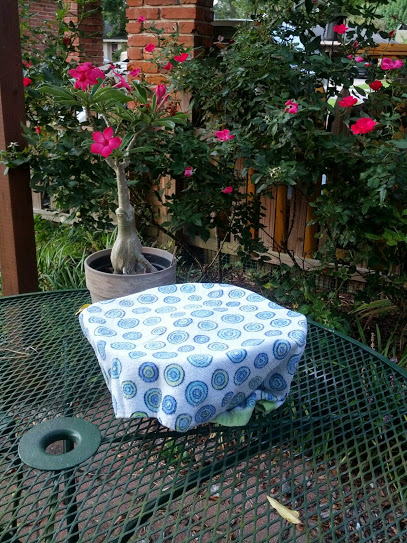
Place the ball of dough in a greased bowl, cover with a cotton cloth, and set in a warm moist place to rise for an hour and a half. For us in Louisiana in August, the back porch is the perfect place!


The dough should at least double in size if not more. As you can see, the dough that easily fir in the bowl before is now over flowing! Punch the dough down in the middle, separate into three loaves and place in greased loaf pans.


Cover the loaf pans and set them out covered to rise again for another hour.You can see here the amount that the dough will continue to rise over the next hour. 


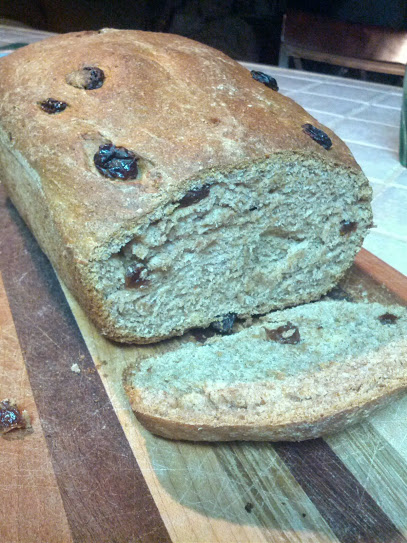
 After baking the bread for 45 minutes at 350 degrees, you will know that the loaf is cooked all the way through if it sounds hollow when tapped on top.


Cinnamon Raisin Bread Recipe (makes three loaves)
1 cup warm water
5 tsp. active dry yeast
3 eggs
1 cup sugar
1 tsp. salt
1/2 cup butter
1 1/2 cup skim milk
2 cup raisins
4 cups white bread flour
4 cups whole wheat flour
3 tbsp. cinnamon

Put the warm water in a bowl and sprinkle the yeast over it. Let it sit for ten minutes until the yeast is completely dissolved and frothy. Mix eggs, sugar, butter, salt, raisins, and cinnamon in a separate bowl. Add milk and the water and yeast mixture to the bowl. Mix in flour one cup at a time to form dough. Knead on a floured surface until a smooth dough is formed. Form dough into a ball and placed in a greased bowl, covered with a cotton cloth, in a warm moist place to rise for an hour and a half. Punch in dough, split into three equal parts, form into loaves and place in greased loaf pans. Set out the loaf pans covered to rise for another hour. Bake the loaves at 350 degrees for 45 minutes. You will know they are baked all the way through if they sound hollow when tapped on top. Freeze any loaves that you do not plan on eating immediately. Store loaf covered at room temperature.

Spring 2014 Garden Produce Review


Now that we have our new vegetable garden, we are trying a lot of new plants, experimenting with different ways to grow things, and have more space to play with producing our own food! We use growveg to do all of our garden planning and LOVE IT! If you haven't tried it yet, do yourself a favor and check it out, seriously.

Here was our spring garden layout:


We'll let you know how each plant did, any trouble shooting we had to do, and any changes we plan on making for next time. Just FYI, we are in south central Louisiana, which is a hot and humid Zone 9a. Our advice may not apply to your area!

Turnips:
# of Plants/Area: 2 sq. ft.
Produce: 1lb4oz
Prepared: Roasted and delicious!
Notes: This was our first time planting turnips, and I wasn't expecting much to happen. But we planted seeds on Feb. 1, and they did great!


Basil:
# of Plants/Area: 4 plants
Produce: 15 oz. dried and 7 cups fresh, More than we could handle!
Prepared: Basil Mint Pesto, Basil Parsley Pesto, Dried Basil
Notes: I started these plants from seed in pots. I spent most of the summer trying to figure out how to use our HUGE amounts of basil. I couldn't think of enough ideas to handle the volume!


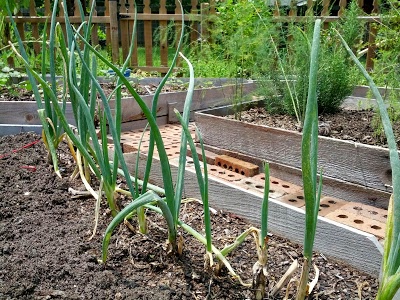
Green Onions:
# of Plants/Area: 10 plants
Produce: Used all season without running out!
Prepared: Gumbo, baked potatoes, fresh veggie dip
Notes: We started these from leftovers we bought at the grocery store, and they have produced for us all season without running out. Find out how to start your own here. So simple!


 Parsley:
# of Plants/Area: 4 plants
Produce: 2 cups fresh
Prepared: Basil Parsley Pesto, Dried Parsley, Gumbo
Notes: I started these plants from seeds in pots. The parsley doesn't produce as much per plant as we use, so I will plant more next year!

Sunflowers:
# of Plants/Area: 5 plants
Produce: 1/2 cup sunflower seeds
Prepared: Basil Mint Pesto
Notes: I direct seeded these in the bed. They were more for attracting bees and giving the birds a snack than anything else. But it doesn't hurt to get a little produce from them as well!


Zucchini and Summer Squash:
# of Plants/Area: 5 plants
Produce: Yellow summer squash 15oz, Zucchini 7lb 13oz
Prepared: Zucchini lasagna, Carrot Zucchini bread, Zucchini Blueberry bread, Pickled zucchini, and sauteed Squash
Notes: I direct seeded these in the raised bed, and they all sprouted. If you have trouble with squash vine borers or powdery mildew on your summer squash plants, check out the posts we have for those issues.


Garlic:
# of Plants/Area: 8 plants
Produce: 3oz
Prepared: Minced
Notes: I started this garlic from grocery story leftovers. Find out how to start your own here. I was surprised what a good harvest I got from the spring, when garlic grows best when started in the fall. I will be growing this again!


Beans:
# of Plants/Area: Bush beans- 20, Pole Beans- 10, Soy beans- 12, Lima beans- 6
Produce: Bush beans- 8lb 3oz, Pole Beans- 4lb 3oz, Soy Beans- 2lb 6oz, Lima beans- 2oz
Prepared: Steamed, Pickled, Relish, Raw :)
Notes: The bush beans, pole beans, and soy beans had huge produce, but the lima beans must have not liked their spot. They never did get going, but I had more than enough beans from my other plants!


Radishes:
# of Plants/Area: 2 sq. ft.
Produce: 2 oz.
Prepared: Chopped up raw in salads
Notes: We aren't big radish eaters, but they are fun to grow because they mature so quickly. Besides, the rabbits LOVE the greens, so it's worth it to give them a treat.


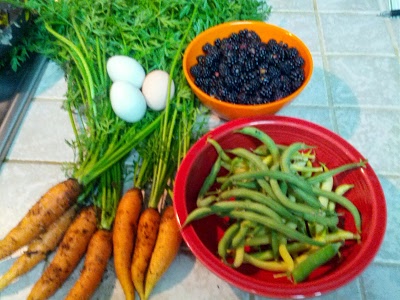
Carrots:
# of Plants/Area: 4 sq. ft.
Produce: 3lb. 2oz.
Prepared: Steamed, Pot Roast Stew, Carrot Zucchini bread, Raw in salads
Notes: I will definitely plant more carrots next year! These were easy to grow and we eat a lot of carrots!


Mint:
# of Plants/Area: 6 plants
Produce: 2 cups fresh was all I used!
Prepared: Basil Mint Pesto
Notes: I was warned to plant this in a area where it could take over, and they were not kidding! We have more mint than we know what to do with, and I will be digging up a bunch to feed to the rabbits at the end of the season. I definitely won't plant more than one pot of this next year!


Blackberries:
# of Plants/Area: 20ft. row wild blackberry vines along the back fence
Produce: 7lb
Prepared: Blackberry lemonade, Summer Fruit Smoothies
Notes: We freeze gallon size bags of blackberries every spring, and they never make it through the year. They grow wild, and we love our blackberries!

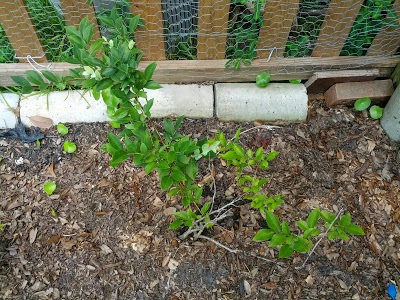
Blueberries:
# of Plants/Area: 5 small bushes
Produce: 8oz.
Prepared: Blueberry pancakes, Blueberry Zucchini bread, Summer fruit Smoothies, Blueberry Jelly
Notes: We use about 20 lb. of blueberries a year and we usually pick them at a local blueberry farm. This was our first year to start a few bushes of our own, and we are looking forward to production picking up as they grow! Not bad for a first year though.


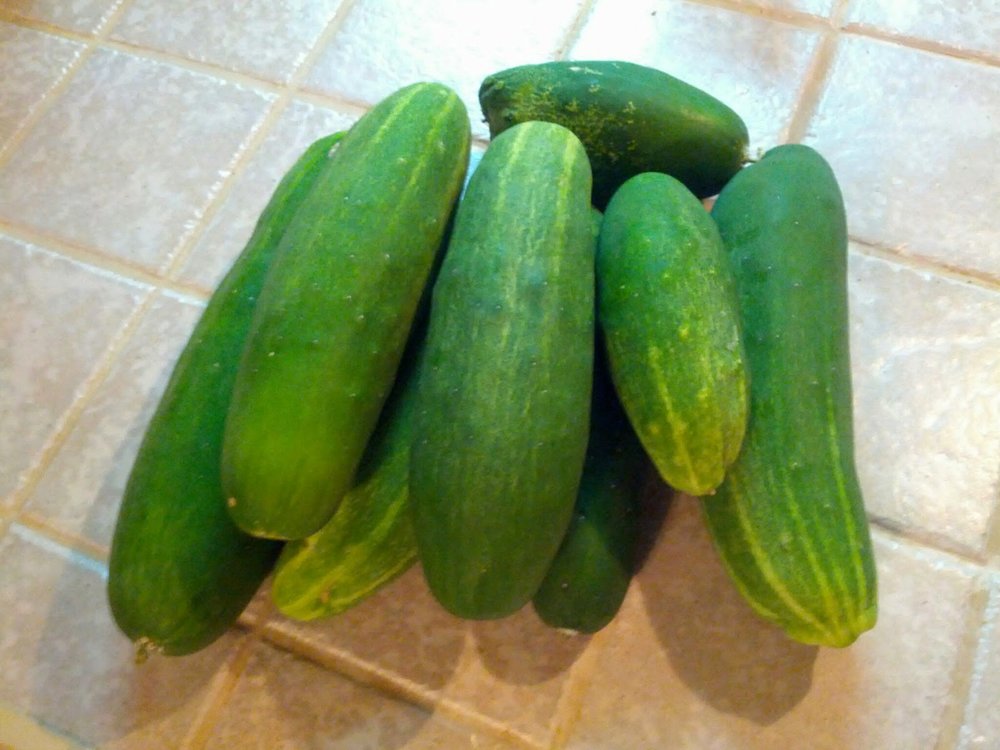
Cucumbers:
# of Plants/Area: 10 plants
Produce: 22lb. 11oz.
Prepared: Raw, In salads
Notes: More cucumbers than we could eat and give away! And they were so fresh :)

Tomatoes:
# of Plants/Area: 10 plants
Produce: 6oz
Prepared: Sun Dried Tomatoes
Notes: Out tomato plants did awful! Out of ten plants we only picked 5 tomatoes! I'm not sure what went wrong, but the flowers kept falling off before setting fruit. It's the first time I've ever had that problem. I'm disappointed, but will try again next year.

Beets:
# of Plants/Area: 1 sq. ft.
Produce: 1lb.
Prepared: Caramelized beets
Notes: This was our first time growing beets, and I was not sure what to expect, but was pleased with the produce and the taste.

Corn:
# of Plants/Area: 20 plants
Produce: 8oz
Prepared: steamed
Notes: The corn did not do well. I'm not sure if I planted too late, or if the soil wasn't deep enough, but it just never took off.

Peas:
# of Plants/Area: 4 sq. ft.
Produce: 1lb. 8oz.
Prepared: None of them made it out of the yard, we ate them all raw right in the garden!
Notes: There is nothing like fresh peas- they taste like candy!

My goal for the spring was 50lbs of produce, but our total came to 64.7lb! When we calculated the value (based on local grocery store prices) the total came out to $165.00 worth of produce we grew in our own backyard over the course of seven months!

How was your produce this past season? Any tips for getting more out of the area?

Yummy Apple Butter Bread


I LOVE apple butter! My husband and I went to Tennessee for our honeymoon and bought a jar of apple butter in this cool old general store we found in the Smokey Mountains. It was my first time trying apple butter, and I couldn't imagine what apple and butter combined would taste like. Little did I know that that there is no butter in it whatsoever! We ate the entire jar that week, and apple butter has always had a sentimental place in my kitchen ever since. I make my own apple butter, and you can find the recipe here. 

After seeing several recipes for applesauce bread on pinterest, I decided to combine a few recipes to make my own apple butter bread. I used half whole wheat flour in the recipe to keep it healthy, but all white flour could also be used.


This loaf was super easy to whip up and came out delicious! I am sure I will continue to play with the recipe (like adding chopped up apple pieces), but I am very pleased with how this one turned out. It is light, but very moist, and we have been enjoying it as a breakfast bread to go with our scrambled eggs. To me, it tastes like Christmas :) And when it is baking, the whole house smells like Christmas!


Apple Butter Bread Recipe:
1/3 cup butter
1 cup sugar
1 egg
1 1/4 cup apple butter
3/4 cup whole wheat flour
3/4 cup white flour
3/4 tsp. baking soda
1/2 tsp. baking powder
1/2 tsp. salt
1/2 cup chopped nuts (I used pecans)

In a large bowl, cream butter and sugar together. Add in the egg and apple butter. Mix thoroughly. Combine flour, baking soda, salt, and baking powder in a separate bowl. Mix the dry ingredients into the wet ingredients. Fold in the buts. 

Pour batter into a greased loaf pan and bake at 350 degrees for one hour.

Let me know what you think! All this talk of food is making me hungry...I'm going to eat another slice now :)


Dealing with Miscarriage: What to Expect When You're No Longer Expecting

I have read that 30-50% of all pregnancies end in miscarriage, most before women even know they are pregnant. I couldn't care less about this statistic until I became one of the 30-50%. If you are as well, it's time to talk. 

A little bit of my story...

My husband and I were so excited to find out that we were pregnant in March. I am a planner, and already had nursery colors picked out, top baby name choices, and yes, even the crib set up in the would-be nursery. We couldn't be happier to be new parents! At our nine week ultrasound, we got the news that every woman secretly fears every day of her pregnancy...there was no heartbeat. Devastation is the only word to describe the feeling. At the doctor's office they were running behind on the ultrasound appointments. They needed the room, and we were ushered out. And so began one of the most difficult seasons that I have ever had to walk through. If you are faced with a similar situation, I hope this helps.

What to Expect When You're No Longer Expecting

1. You Will Feel Very Alone Because No One Talks About it

Women do not talk about miscarriage, and I'm not sure why. Why do women wait to tell everyone that they are pregnant? Because they might have a miscarriage. Here's my question: so what? I am so grateful that I had told my family and close friends that we were pregnant before the miscarriage happened! How do you tell your mother, "I was pregnant, but I had a miscarriage." It was really nice to be able to rejoice with all of them for a time, and then let them share in the loss as well. 

The worst part about miscarriage is that you feel so alone, whether or not people know. Others wonder what you are still upset about, I mean, you've been crying about this longer than you were pregnant! When you are still dealing with the pain, they have forgotten that you were even expecting (if anyone even knew at all). And even those closest to you, like your husband, will be sympathetic but will not understand the emotions that you are going through.  You will feel like the only one in the world without a baby, but you're not. There are so many women who are experiencing the same emotional and physical roller coaster you are, but no one talks about it. 

It seems like after I had my miscarriage, almost everyone I talked to had had a miscarriage at some point as well. And some of their stories kept me from having pity parties- women who had 14 miscarriages in a row, lost their baby at 8.5 months, or who had three miscarriages and two stillborn children. Talking to women who had not only lived through such tragedies, but could also praise God for His provision through them were such a huge help for me. This is something we need to talk more about.


This is our 6 week ultrasound when baby was doing well.
This is the only photograph we have of our first child.

2. You Will be an Emotional Wreck

You will cry, a lot, and it's ok. Cry away! Months may go by, and you still see something randomly that makes the tears stream down your face uncontrollably. If it makes you feel better, you can blame the crazy amounts of confused hormones in your body (I know I do!). Whatever you are feeling, its ok. When you see yet another baby announcement on facebook, and you want to throw your laptop out a window, it's ok. When you see a newborn in the grocery store and start crying, its ok. When everyone around you seems to be progressing in life, and you are standing still, it's ok. 

A good friend of mine wanted to have lunch a few months after, and since we hadn't seen each other in several years, I just knew she was going to tell me she was pregnant. The whole way driving to meet her, I was physically sick to my stomach because I literally couldn't handle one more person's joyous news. She wasn't pregnant, thank goodness! And then I felt guilty for feeling that way, and you know what, it's ok. 

When I would try to keep the pain away, it would follow me into my dreams! One night I dreamed that I was walking along a road and saw a birds' nest in a tree with a mother bird sitting on three eggs. The nest fell out of the tree and the eggs broke on the ground. Immediately I fell to my knees with heaving sobs, crying uncontrollably, the kind of sobbing that comes from the stomach and you can't breathe. Everyone around was looking at me like I was crazy for crying over such a small thing. I woke up with that renewed feeling that you get after a really good cry. Take my advice- give yourself permission to cry a little every day, just don't let yourself stay there.

3. Others' Ignorance Will Cause You Pain

People who hardly know you will ask with a playful smile if you are expecting anytime soon. Why do they do that? Because they have no idea, that's why. It isn't their fault, but I have decided to NEVER ask this question to anyone. If they are expecting, and they wanted you to know, they would have told you. If they want a child, but are not expecting it is because they are dealing with something very painful, whether it be a miscarriage or infertility. People will ask you, and it always seem to be on the most inopportune days. You don't have to smile and answer like nothing is going on, but then again, you don't have to answer at all!


That was the happiest moment!!!

4. Mother's Day will Come

My miscarriage happened early in May, and the following week was Mother's Day. That was a tough day. I so desperately wanted someone to tell me, "Happy Mother's Day", to legitimize the fact that something real had happened! But at the same time, I was so afraid that someone might say something and I break into a thousand pieces and never recover. If you have had a miscarriage, you have the right to celebrate or not celebrate mother's day.You are a mother. You will always be a mother. And you have lost a child.


This is a painting my husband and I made
to announce our pregnancy to family and friends.
It is now a precious memory!

5. Your Body Will be Confused

I will not go into details here. Besides, I have a feeling it is different for everyone. But here's what I do know- your body will be very confused, and it will take a while to get back to normal. 

Your body is probably in shock, which is why it is doing crazy things right now, not to mention the huge amounts of hormones driving you half insane. Quit googling and call your doctor, they will help you know how to deal with whatever the issue is. This won't last forever. And if a male doctor tells you what kind of pain to expect during a miscarriage, keep in mind that he has no personal experience in this area.

6. It Will Shake the Very Core of What You Believe

Whatever you believe, having a miscarriage will call your faith into question. I am a Christian, and I take God at His word. In return, I follow Him with my life to the best of my ability. I had some people tell me that this was part of God's plan. I also had people tell me that my baby was looking down on me from heaven with angel wings playing a harp in a beautiful garden. I'm sure they meant well, but the Bible doesn't say either of these things.

Women having miscarriages was never God's plan! God's plan was perfect, and humans brought sin into the world in the Garden of Eden. As a result, we live in a fallen world and bad things happen, but this was never the plan. However, I do believe that God uses everything that we go through to shape us into people who look more like Him. James 1:3-4 says, "you know that the testing of your faith produces perseverance. Let perseverance finish its work so that you may be mature and complete, not lacking anything."

But what about the promise in Jeremiah 29:11? "For I know the plans I have for you,” declares the Lord, “plans to prosper you and not to harm you, plans to give you hope and a future." It occurred to me in this process that maybe my plan for me is not the same as God's plan for me. And then the true question- can I trust that God's plan is best and follow Him no matter what? Is Jesus enough? Truly enough? If I lose everything, not just this one thing, will I still trust and follow Him with joy? I wrestled with this question for months, and I think I will never know the answer to that question unless I am forced to by my circumstances in life. But for me, in this loss, the answer is yes! After all, God knows what it's like to lose a child.

God is not punishing you for something that you did wrong, the Bible says that he grieves with us, bottles up our tears, and will never leave our side. He never says that this life will be easy, in fact He promises the opposite! In John 16:33 Jesus says, "In this world you will have trouble. But take heart! I have overcome the world." Jesus promises that He will carry us through the hardships and that He is making all things new! The hope and future that He has for us is in heaven, not this world.
.

What now?

The first question I asked my husband after we found out, was "what do I do now?" How do you move on?

1. Take the Time to Figure Out What You Have Lost

This may seem simple to do, but in fact it is so much more complicated than I have even still figured out. This was our first child, and the list of loss to mourn is long. Obviously, you are mourning the death of a child. It is amazing how much you can miss someone that you never met, amazing how deep the loss of a child you were never able to hold in the first place. You will feel like a piece of you has died, and the empty hole it has left is so overwhelming. You are grieving the loss of knowing their gender, their personality, what they would have looked like, and all of the times you would have shared...you know, the ones you had already thought about in your mind with each passing week of pregnancy. First time holding them in the delivery room, first steps, first words, first day of school, learning to drive, getting married- you are mourning all of it at one time. 

But you could be mourning so much more than that. For me as a first time mother, so much hope and anticipation was wrapped up in that plastic stick that announced the news. I have always wanted to be a mother, and I think that it is a miracle to carry a life inside of you. Releasing my "right" to be a mother, the hopes for this new life, the plans that I had for raising him or her is just as much a loss. Each person is losing something different.


The crib is still set up...

2. Take Time to Figure Out What You Have Gained

While you are experiencing loss on so many different levels, you will also gain some things, and have others to be grateful for. Make sure to make a list of those things as well. As this was our first, we are grateful to know that we can conceive. I am more grateful for life in general, and do not take this gift for granted. I am extremely grateful for an amazing husband who has been with me every step of the way, on the good and bad days, when I wasn't sure if I was crazy or sane. He will make a great father :) I am grateful for God's grace, that peace in the storm that is so reassuring that this is not the end, but a step along the way. Take time to appreciate the things that you wouldn't have noticed otherwise.

3. Look to the Future Without Forcing it

I wanted to get pregnant again as soon as possible. How better to recover from the pain than to experience the joy of new life again? Unfortunately, my body has taken a long time to recover, and I am realizing that it will take even longer to emotionally and mentally recover. Don't rush it. When the time is right...I know, it's cliche, but I am hoping that it's true. 

Know that getting pregnant again will not cancel out that the miscarriage ever happened. It will be a joyous day, but it will not take away the fact that you have lost a child. I have spent months waiting to finally be "over it", and I'm discovering that that day will most likely never come. I have yet to decide how to spend December 19, what would have been the birthday of our first born child, and I'm not sure if that day will ever be the same. There will always be a part of you that loves that child and misses them. Progress to healing will be slow- a few steps forward and a few steps back, but it will come. 

4. Lean on Jesus

It make take a while to come to terms with what you believe. I avoided spending time in the Bible for a while, and my prayers would bounce between being deep and vulnerable to being shallow and superficial. It will happen, but don't close out the One who does truly understand how you are feeling and has the power to give you peace in the midst of it. He does have a good plan for you, and He will carry you through this difficult time to show you what He has next. 


Blackberry Lemonade Recipe


On a hot summer's day, there is nothing more refreshing than a glass of blackberry lemonade! We picked seven pounds of blackberries from our backyard this spring, and thanks to this recipe, I'm pretty sure our frozen supplies will not last through the end of the summer.

Blackberry Lemonade Recipe:
4 cups water
1 cup sugar
1 cup lemon juice
1 cup blackberries (you can substitute blueberries if you like)
1 tbsp lemon zest (optional)

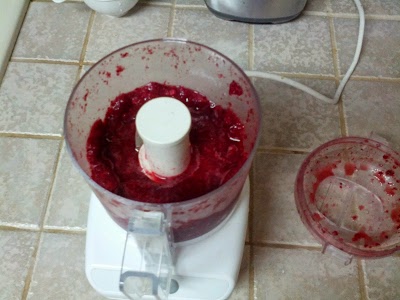
First mix 2 cups of hot water in a pitcher with the sugar. Stir until it is completely dissolved. Next, Put the blackberries in a food processor with 1 cup of water and blend very well. The longer you pulse the mixture, the better the seed will be able to separate from the pulp and settle to the bottom. 


Stir the blackberry mixture, lemon juice, and final cup of water into the pitcher with the lemon zest if desired. The blackberry seeds should settle to the bottom of the pitcher and not end up in your glass. If you want to strain them out, go ahead, but I'm too lazy!


All that's left to do is pour a big glass and enjoy!


Not too sweet and not too sour, this recipe will make a delightful way to end your summer days! Cheers :)

Grandma's Buttermilk Pancakes Recipe


We hand picked over 20 pounds of blueberries at a local blueberry farm this year. Most of them became blueberry jelly, but the rest we froze to use throughout the year. And the one thing I can't wait to use them for is homemade blueberry buttermilk pancakes!

There is nothing like Grandma's pancakes. There's just something so amazing about them that the box doesn't duplicate. Let's face it, when you eat the real thing, you know it! It turns out that making the real thing is just about as simple as using a box mix and well worth the effort! If you aren't convinced, I'll let the pictures do the persuading :)

Simply mix the ingredients in a bowl.

 Not too thick, and not too runny. Look at those juicy blueberries!

 Waiting for them to cook is almost unbearable...are they ready yet???

Mmm, perfectly fluffy and delicious from the inside out! This is making me hungry :)

Grandma's Buttermilk Pancakes Recipe: (makes 16)
2 c. flour (sifted)
1 tbsp. sugar
1/2 tsp. baking soda
1/2 tsp. salt

2 1/4 c. Bulgarian buttermilk
2 eggs (beaten)
2 tbsp. butter (softened)

Feel free to add some extras. My favorites include:
1 c. blueberries
1 c. chopped pecans
1 c. chocolate chips

Mix dry ingredients together. Mix in buttermilk, eggs, and butter. Stir together until smooth. Scoop 1/4 c. amounts onto a greased skillet on medium heat. They are ready to flip once bubbles come up through the batter.

What are your favorite "extras" to put in pancakes?

Perfect Backyard Vegetable Garden Plan: Feed Your Family Fresh!


Last year my vegetable garden was a 6" high raised bed that was 5' x 15'. It worked for a while, but the soil wasn't very deep since the bed wasn't as raised as much as I would have liked, and a nearby tree had grown so quickly that it blocked the afternoon sun to half of the garden which simply won't work for growing a harvest of summer vegetables. So last year I began designing my dream garden on paper, not really sure if it would ever become a reality. We dreamed big, but wanted to keep it as budget friendly as possible.

I used growveg to make my original garden design. I am absolutely in love with this software! It has made my gardening SO MUCH EASIER! As much as I like researching and charting, this makes the planning a dream! (try the 30 day free trial, and you'll know what I mean!) 

This was the plan for the spring 2014 layout. 28' x 20' with five raised beds in the center and a raised bed bordering the entire garden with 2ft. wide walkways except by the gate (3ft. to accommodate a garden cart for hauling mulch, etc.) for a total of 380 sq. ft. of gardening space.

To be ready for planting in the spring of 2014, we started working on the project during the late summer of 2013.

As always with gardening, the beginning is the most difficult part- so much work with not much to show for it. The first step was marking off the area and digging up the grass. We rented a sod cutter from Home Depot for $65. Worth. Every. Penny. It was still a lot of work, but nothing compared to doing an area of that size by hand.


Next we laid a thick layer of cardboard over the entire area. This is an inexpensive way to keep down weeds and keep the grass from growing back.


We framed up our five center raised beds using lumber we had gathered over time from the 90% off section at Home Depot. For the center beds we used cedar fence boards and for the outer edge beds we used a combination of landscape timbers and 2x4's. We ended up spending only about $30 for all of the wood needed.


Once the raised beds were framed up, we placed them in the layout and spaced them to accommodate walking space between each.

The chickens are very curious about what we are doing!

  Next we started filling the raised beds with compost and mulch. We wanted to avoid buying any dirt if at all possible, but it is difficult to fill over 500 cubic feet of area with your own backyard compost. We had been building up our compost pile for almost a year in anticipation and were able to fill the five center beds at once. 

You can see what used to be my vegetable garden in the foreground, and the new garden in the back.

Next we build a fence around the garden area to keep out the chickens. Very important! Chickens will eat up a vegetable garden as fast as it can grow! We used the pre-assembled picket fence panel from Lowe's. They cost $30 for an 8ft. piece. Instead of using concrete for the posts, we used the packed earth method around 4x4's and were really pleased with the stability of the outcome. We could have saved more money by going with a more rustic fence made of palettes, but I just like the look of a picket fence! We only needed 6 fence panels since we already had a hurricane fence on one side and the house on another. The fence, gate and hardware ended up costing about $200.

A family member had been getting rid of hundreds of these cement cylinders for free, so we laid them along the inside of the fence base to keep the dirt in and the grass and weeds out of the edge gardens.We were glad to get these for free!

Next we framed up the edge gardens and screwed them together to form the border beds. We hadn't built up enough compost since the last batch to fill these up. The Lafayette Utilities System offers free truckloads of mulch for gardening so we picked up a truckload of that to fill the edge gardens. While it is mulch that hasn't broken down completely yet, we were able to cover it with compost with some time to spare to help it break down into rich soil before we planted.


I put up chicken wire around the inside of the picket fence all the way around to keep out any critters that would want to squeeze between the fence boards. (chickens, *cough*) A 50' roll of chicken wire cost $25.


Originally I had used another truckload of mulch for the pathways, and was content to pull a few weeds growing between the gardens. 


That is, until I ran across a great find at a yard sale. A whole stack of bricks for $60! We spent the next three weekends laying bricks and now have brick pathways between the raised beds. If I had known that there would be bricks, I would have bricked first and built the gardens in after to make all of the dimensions fit together just right, but the few gaps we have give it character :)


Finally, the fun part! We put in all of our plants and began the work of growing, harvesting, and cooking! To go from a drawing on paper to the final product was amazing! We are so excited about how our new garden turned out. Soon I will be posting how we did on our harvest.

Here is the final breakdown of how much we spent:
Sod cutter rental: $65
Wood for raised beds: $30
Fence panels, posts, and gate hardware: $200
Chicken wire: $30
Bricks for pathway: $60
Final Cost: $385

A few more pictures of the finished result. It is hard to get a good picture of the whole garden in one...


Do you have a vegetable garden that you love???

Easy way to keep cats from digging up your plants


All of my neighbors have cats, and since we do not, our yard is the free territory that they all fight over. And when I get my gardens ready for planting seeds at the beginning of the season, I'm sure that my raised beds look like huge upscale litter boxes with the cats' names written all over them. There is nothing quite as frustrating as finding groups of cat potholes in a freshly planted seedbed. Even plants bought in six-packs don't stand a chance against a cat excavation.

After lots of different experiments, I have found a simple way that works really well! And it uses supplies that you probably already have sitting around your garden shed.

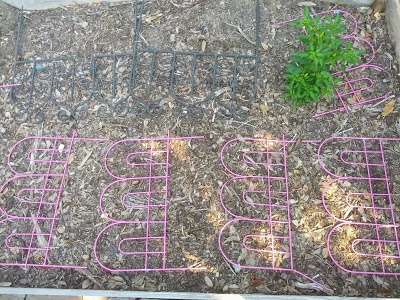
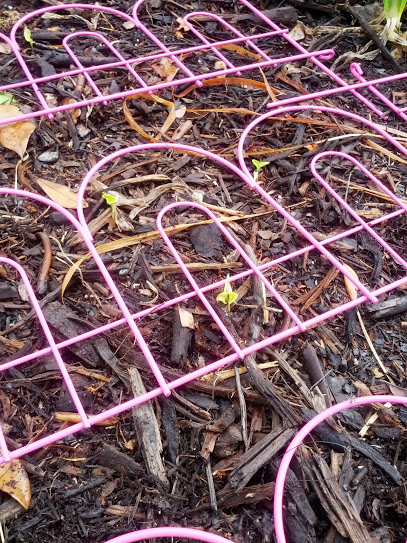
Simply take metal garden edging and lay it down flat over the soil. The seeds will grow up through the wide holes and the metal is too annoying for the cats to try to dig around.


 I already had some on hand from various gardening projects, and then I found some more marked 90% off at Hobby Lobby when they clearanced out the spring section. Love it when that happens! 


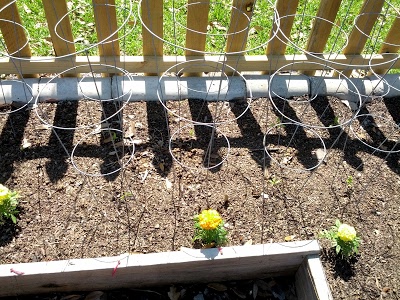
If you have a larger area to cover, cucumber trellises work really well. This wire trellis is just the right size for my raised beds.


As you can see, the plants simply grow up through the holes. Just remember to pull the trellis up before the plants get too big, or it will be stuck there until it is time to pull the plants up.


You can also use chicken wire that has wider holes. I have been using this method for a while now, and the cats will literally dig in the ONE SPOT that I don't cover. But all of my little seedlings come up right where they should :)

Do you have any other tips and tricks for keeping out the cats?

10 Reasons to Get Backyard Chickens (and 4 reasons not to)

10 Reasons to Get Backyard Chickens

1. Eggs!

The most obvious reason to get backyard chickens is that you get delicious eggs! There is nothing like country eggs (although ours are in the middle of the city...) and your own free range eggs that you know are pure and healthy are a huge incentive for having chickens. The eggs are the reason that we started some backyard chickens to begin with, but we had no idea how many other great reasons to have chickens we would discover along the way.

2. Chickens are low maintenance.

If you are interested in exploring self-sufficient living, chickens are an easy "gateway" animal. You build them a coop, give them some food and water, and let them run around and lay eggs. Pretty simple!

3. You can have chickens almost anywhere.

Even in the middle of the city, there is room for a small coop with a few laying hens. They do not take up much space, and most cities allow them. We allow our chickens to free range in our fenced in backyard, so they literally take up no extra space than we already had. 

Okay, so I don't recommend you keep them in the house, but they will sneak in if you leave the back door open on a nice spring day!

4. Chickens have a great personality!

I had no idea how much I would fall in love with our chickens! They each have names, come when they are called, are super sweet (love to be petted and held) and are more like pets than farm animals. They each have their own quirky traits, and we love to go in the backyard to just hang out with them in the evenings, laughing at their crazy antics.

The chickens were very curious about our new bunnies, and when the rabbit would hop, all the chickens would jump in the air, flap their wings, and squawk!

5. Chickens will replace your bug man.

If your chickens free range, they will keep your yard free of many unwanted pests. My chickens eat all kinds of bugs, and I have even seen them eating small garden snakes on several occasions. The chickens know to wait outside of the vegetable garden gate when I am in there because I will bring them all of the caterpillars I find on my plants. Less mosquitoes, love bugs, june bugs, caterpillars, and snakes? Fine with me!

Brandy Jr, my "gardening chicken", waiting outside the gate to the vegetable garden for me to bring her some caterpillars.

Brandy Jr. eating a big grub!

6. Chickens are natural weed and feed for your lawn.

You will not have to mow the grass as often. Living in Louisiana, our mowing season is usually from March through October (sometimes longer), and it is an every week thing unless you want your yard to look like a jungle. But now that we have chickens free ranging in the back yard, we cut that area half as often as the front! And for some reason, they like the weeds the best, so they go around eating the weeds first and naturally fertilizing the grass as they go. Now if only I could find an animal that does laundry and dishes!

7. Chickens are inexpensive.

So far this year we have spent $70 on chicken feed for our flock of seven laying hens, and we have gathered 68 dozen eggs! That is just about $1 for every dozen of fresh, free range chicken eggs. Anyone who has bought these at a farmer's market knows that $6/doz is a common price, so it is definitely worth it on the financial side! I'm not including the price of the coop or the chickens in this but even if I did include all of the start up costs (that we will benefit from for years to come), it still comes out to less that $4/doz.

Our first egg! What a day!

8. Chickens make a great garbage disposal.

I hate wasting food, but sometimes the leftovers just don't get eaten in time or the produce from your garden is half eaten by a caterpillar. I used to cringe as I threw away food, but now I smile as I toss it to the chickens, knowing that it will soon become eggs! My chickens eat anything and everything- bread, rice, vegetables, meat, yogurt, oatmeal, scraps that I throw in the compost pile- you name it! We have gotten into the habit of scraping our plates into a bowl to set out for the chickens, and they love it. Never waste food again!

9. Chickens can also be a source of home grown meat.

I understand that it is a big step to go from having laying hens to raising meat chickens, but once you get started, you may find it easier that you think. We stumbled upon this stage of backyard farming on accident when we ended up with five roosters in what was supposed to be a flock of hens. We obviously couldn't keep roosters in the city so we figured out how to turn them into gumbo. We were not disappointed :) Besides, organic chicken meat in the grocery store is expensive!

Did you say MEAT?!

10. Chickens are a stress reliever.

I'm not sure how to explain it, but there is something so calming and pastoral about sitting on the swing in the backyard watching the chickens peck around in the grass after a long day at work. Computer screens, emails, board meetings, and to do lists melt away as you reconnect with something REAL, something tangible. It lets your mind go back to something simple- life creating food that sustains life. Every now and then it helps to put the technology down and remember how the world works.

4 Reasons NOT to Get Backyard Chickens

1. They ruin gardens.

They like to dig, fling dirt and mulch everywhere, and uproot plants for fun. For people who love to garden like me, chickens and gardening do not mix. I finally solved this problem by fencing in the area of my yard that was for me (the gardens and patio) and the area that was for the chickens. Every now and then a chicken will get into the people part of the yard and trample down all of my tulips and I have to threaten to have chicken for dinner, but it works out well for the most part.

2. They can be loud.

There are lots of variables here- certain varieties are louder than others, some chickens simply have a loud personality, and sometimes chickens are loud in certain circumstances, such as when they are hungry, bored, annoyed at the neighbor's cat, etc. Also, they like to sing the egg song every time they lay an egg, or anytime any of them lay an egg. But you know, as long as it means eggs, I let it slide.

3. Chickens die, and that is very sad.

We have lost many chickens to neighbor's dogs, chicken hawks, and gape worm. You will become attached to certain chickens, and when you lose one of your favorites, it is very hard. The atmosphere of the whole flock can change. Be prepared to lose a few.

This was one of our favorites, Oreo, keeping my husband company while he had the flu. Our neighbor's dog got into our yard a few weeks later, and we lost her.

4. You have to find someone to feed them if you go on vacation.

Like most animals, they need someone to check in on them. While most people will dog sit, which is a pretty big responsibility, they feel a little strange about chicken sitting, even though it only requires filling up a feeder once a day and gathering the eggs.

Needless to say, for us the pros far outweigh the cons, and we love having chickens. I can't imagine our yard without them! Do you have any other reasons to add?

The Verdict on Eating Rabbit


It's time to give an update on our meat rabbit ventures!

I went from thinking that I could NEVER eat a cute furry rabbit, to raising a litter of our own adorable bunnies, to my husband processing them for meat, and finally ending up with a meal on the table.


I was skeptical about whether or not I would even like the taste of rabbit in general, much less when I knew how cute and sweet it was before it was on my plate. Everyone that I talked to about our intentions would ask with raised eyebrows, "Have you ever eaten rabbit?" And the answer was no, I had never even tried rabbit before we undertook this. From there I usually got one of two responses- they either loved rabbit and highly recommended it or thought it tasted gamey and tough and couldn't stand it. Which would I be???

We have now processed seven rabbits and eaten three of them, so here is what I have found so far and the experiments we have done.

The first rabbit we did not cook traditionally, but actually ground up (like beef) and used the rabbit as a ground beef substitute for half of the meat called for in my mom's tried and true spaghetti recipe. When we ate it, I couldn't tell a difference! Granted it was hiding, ground up in tiny pieces and mixed with half beef in a tomato-based sauce. I'm not convinced yet, but at least it's useful for something.


So we tried another rabbit, this time a whole rabbit cut into pieces and made into a French recipe- Honey Ginger Braised Rabbit with carrots. I adapted it to the crock pot and served it over rice (after all, I am from Louisiana and everything goes over rice). Once again, delicious! But was it just the strong ginger taste?


Finally, my favorite recipe so far- my husband made the rabbit the way his grandmother used to, cooked down into a Cajun Rabbit rice and gravy. Sooooo gooood! With three out of three winning recipes, I have made my decision...RABBIT IS DELICIOUS!

Not only is rabbit delicious, but it is also easy to raise, they multiply like, well, rabbits, they eat mainly leaves and grass, and it is one of the leanest meats. Seems like the verdict is pretty simple.

And with that I ready ready to raise another set of babies to bring home the bacon :) I have been completely won over, and now when I see our cute little rabbits, I see a scrumptious dinner!

How to Overcome the Evil Squash Vine Borer


I love the veggies in the summer garden from the cucurbit family: zucchini, squash, and cucumbers. But every spring when the first leaves of the seeds push up from the ground, I know the race is on. Can I get a good harvest from my garden before the Evil Squash Vine Borers destroy my entire crop of plants? It takes a lot of diligence to hold them off, but it IS possible. 

To overcome the enemy, you have to study them. They are most attracted primarily to summer squash and zucchini and occasionally to cucumbers, winter squash, and pumpkins. In my garden, they love them ALL!
They begin as these orange and black flying insects...they just look evil. 

You can try to stop them from laying their eggs on the plants by using row covers of mesh fabric. The only problem with this method is that the row covers also keep away the bees that are necessary for pollination for fruit production. I've never tried this method.

 
Once the flying insects lay their eggs at the base of the plant, the larvae hatch and bore into the stem of the plant. There is little evidence that they have taken up residence in your plants, but there is some. The first sign is an orange sawdust-like substance at the base of the plant where the borer entered. 


As the borer eats it way along the stem the leaves wilt. This is the time to catch them! If the borer goes unnoticed, it will eat its way all the way up (or down) the stem until it cuts off nutrients to the plant, and overnight the plant goes from a leafy green growth to a limp, flattened mess. Once this happens it is usually too late. 


Once you see the evidence of where the borer entered, take a knife and make a slice vertically along the stem until you find the nasty culprit, a white grub-like larvae.


I know it is hard to cut open the stem of your plant, but it will pay off in the end. If you catch the evil little grub then the plant has a chance of surviving even the worst damage. Cucurbits can regrow roots from any part of their stem, so simply bury the stem past the part where the damage was done and give it a good watering. The plant should be able to recover.


Once you have killed one, don't get too smug! They will be back, and back again, and yet again... They are persistent, so you have to be persistent too! Once they have bored to their hearts content, they dig down into the dirt, form a cocoon and wait to emerge as flying insects in the spring, so it is important not to let them get away.

Here are a few other tips to help keep them under control:
- Rotate plants so that you do not have cucurbits growing in the same area more than once every three years
- Immediately pull up and throw away (not compost) any plants that have been taken over by the insects
- Do not compost any cucurbits that may have been affected
- Plant multiple crops throughout the season so that in case one crop doesn't make it, you have a backup
- Use row covers during early plant development before they are flowering
- Thoroughly till the dirt after pulling up plants so that you expose the cocoons (you may even find some so you can squish them!)
- As plants grow, mound dirt around the exposed stem of squash and zucchini plants to keep them from being exposed
- Keep an eye on you plants, looking along the stem each day to find the early signs of orange sawdust and wilting leaves
- I know it hurts, but keep cutting along the affected stems until you find the perpetrators and then rebury the stems to promote new root growth

Good luck, and good harvest! Do you have any other tips or tricks that have worked?